
When it comes to commercial leases for tourist residences, the situation at the time of renewal of the lease at the end of the first nine years is of strategic importance to the lessor. Tourist residences are generally governed by standard commercial leases, with special features relating to tourist operations.
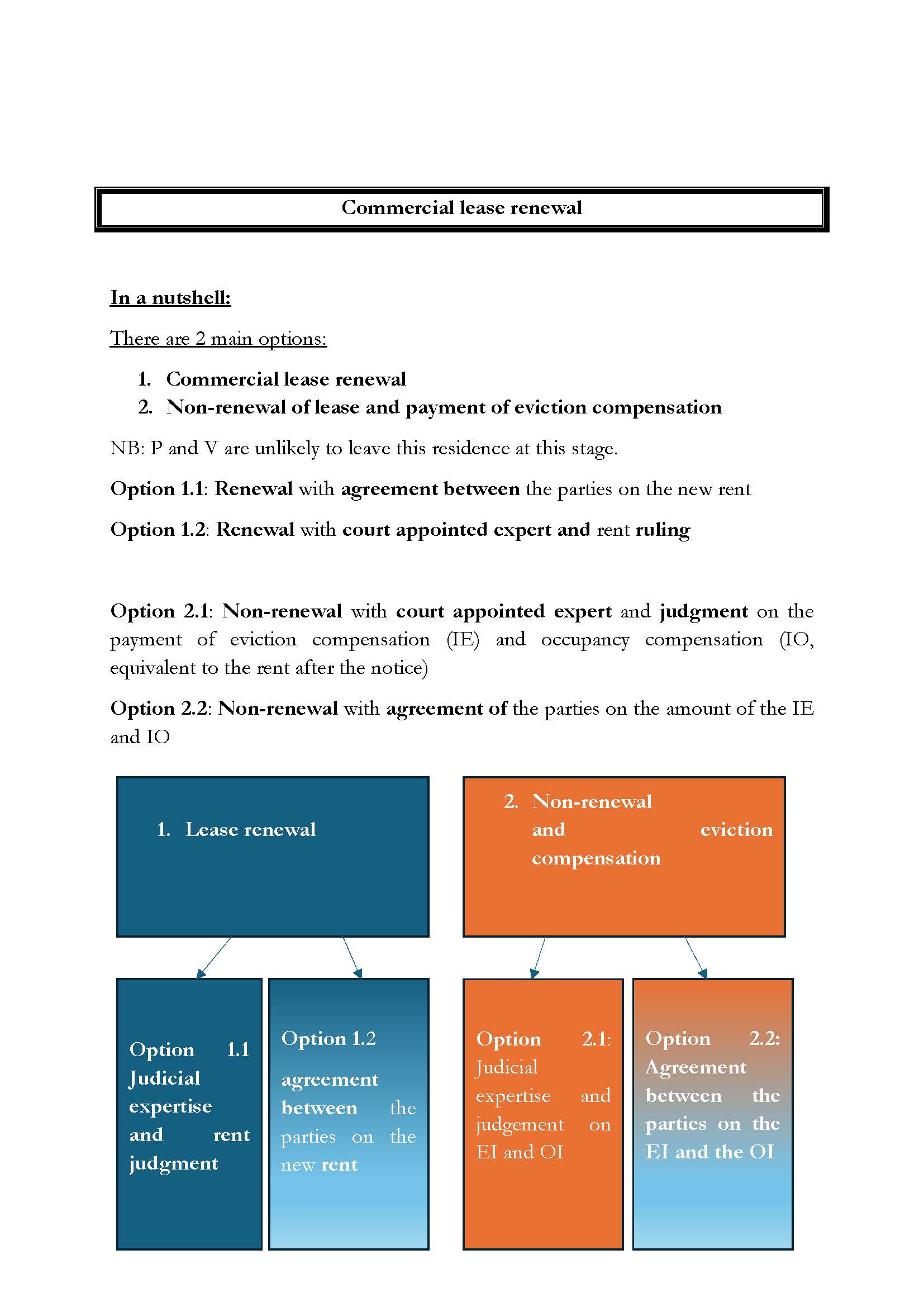
Here is an overview of the various options available to the lessor at the time of renewal:
1. Renewal of a commercial lease
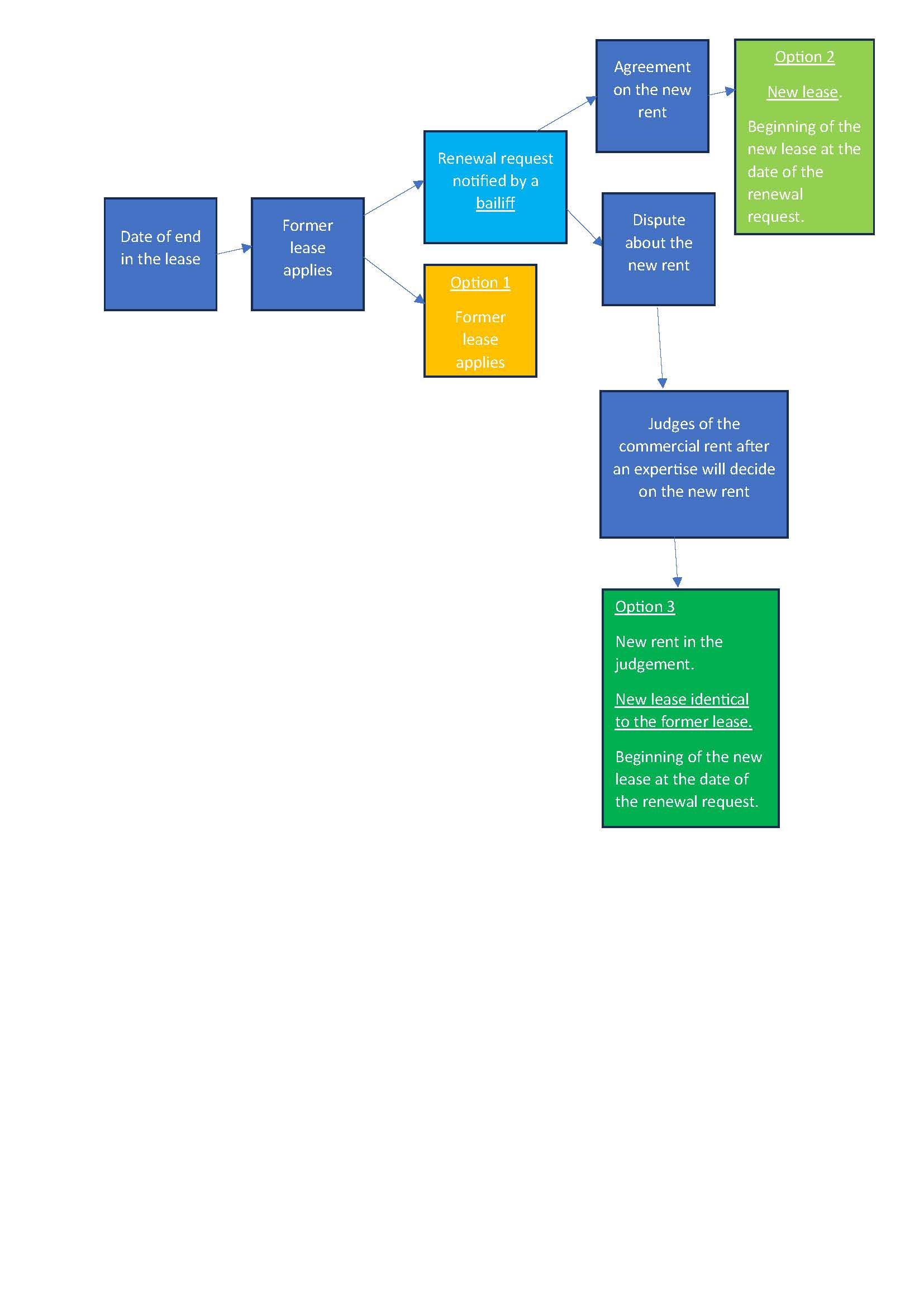
The default commercial lease is for nine years, but it can be renewed under certain conditions. The lessor is obliged to offer a renewal under the conditions set out in the Commercial Leases Act (articles L. 145-1 et seq. of the French Commercial Code). To this end, he must notify the tenant of an offer to renew six months before the end of the lease, or failing that, respond to the tenant’s request for renewal. Renewal is not automatic, but is in principle a right of the tenant, unless the lessor can give a legitimate reason for refusing.a. Renewed rentThe rent for a renewed lease must be set on the basis of the rental value, subject to a ceiling that may be exceeded in certain circumstances, in particular in the event of a significant change in local market factors or in the event of a contractual de-capping clause in the lease.
2. Refusal to renew with eviction compensation
If the lessor does not wish to renew the lease, he may refuse to do so. However, this refusal is accompanied, with certain exceptions, by an obligation for the lessor to pay the lessee an eviction indemnity (article L. 145-14 of the French Commercial Code). This indemnity is intended to compensate for the loss of a business, and its amount may include, among other things, the value of the business, moving and relocation costs, or even an indemnity to compensate for the loss of goodwill.
3. Refusal to renew without eviction compensation
In certain situations, the lessor may refuse to renew the lease without being required to pay eviction compensation. These situations includeSerious misconduct on the part of the tenant (non-payment of rent, serious breaches of lease obligations, etc.).repossession of the property to sell it for residential use, where the building is used for both residential and commercial purposes.Demolition of the building as part of a reconstruction project on grounds of insalubrity or dilapidation.However, these reasons must be properly justified and regulated by lawto avoid any disputes.
4. Rent review on renewal
At the time of renewal, the lessor may also ask for the rent to berent review. As mentioned above, the rent for a renewed lease is, in principlesubject to a ceiling, unless there has been a significant change in the localhas occurred since the initial lease was signed.initial lease. In this case, the rent may be removed from the ceiling and set at themarket rental value.
5. Negotiation of new contractual terms
At the time of renewal, it is also possible for the lessor torenegotiate certain clauses of the lease, such as those relating to durationrental charges, or maintenance and upkeep obligations.maintenance obligations. However, these negotiations must comply withpublic policy provisions relating to commercial leases.
Conclusion
The renewal of a commercial lease in a tourist residenceis a strategic step for the lessor, who must decide betweenthe interest in continuing the rental relationship or recovering the property,while taking into account legal and contractual obligations.Each option – whether renewal, refusal with or withoutwith or without eviction compensation, or rent review – has legal and financiallegal and financial implications that need to be carefullyto optimise management of the property.


 (0.00 out of 5)