If you want to invest in real estate and benefit from the many advantages of tax exemption, there are a number of pitfalls to avoid. What are these pitfalls and how can you avoid them? Our real estate lawyer answers these questions in this article…
There are three key points to bear in mind when considering a real estate transaction of this type:
- have a precise idea of the yield and final rent of the property in question
- carefully analyze the exact clauses of the contract you are signing
- anticipate the resale of the property
Let’s take a look at each of these points.
Annual yield and rent for the end customer
Tip no. 1: the marketer of the serviced residence you wish to acquire will tell you what return you can expect. Some people give unrealistic yields in an attempt to rush the sale.
You should know that the average return on such an operation is between 3.5% and 4.5%, depending on the city. If you are given a higher figure, don’t believe the person you are talking to.
Second tip: some properties are overvalued, which means they will never find tenants.
So it’s important to do your homework: check that the rents forecast by the operator of the “tax-free” residence correspond to the local rental market.
This is essential to ensure that the property in question won’t remain vacant for months or even years, which would undermine the profitability of your real estate investment.
Understand the contracts you sign
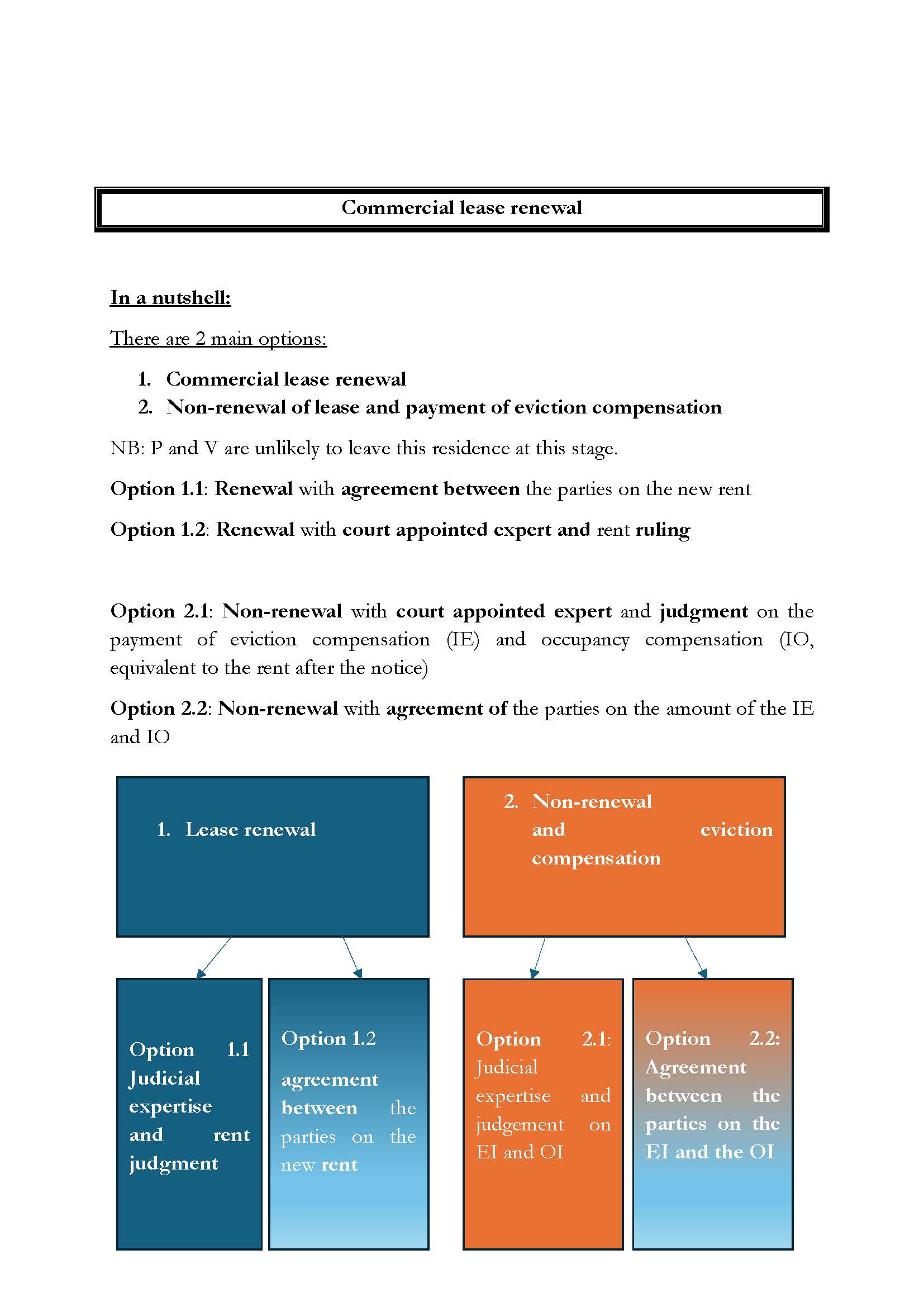
Tip 3: Have your commercial leaseanalyzed by a lawyer.
This principle applies to all contracts, but is particularly relevant here, given the complexity of real estate law.
You therefore need the assistance of a specialist in the field, able to detect any pitfalls that may have crept into one of the contract’s clauses.
Tip no. 4: never buy a property without visiting it, tax exemption or not!
The classic mistake is to believe that this is a simple financial operation or a tax exemption scheme with guaranteed results.
In reality, it’s a real estate purchase, subject to the same rules as any other purchase, such as that of a principal residence: you must never lose sight of this.
Tip n°5: never forget the golden rule of location.
No, the operator who “guarantees” an annual rent does not bear the risks alone. If he doesn’t make enough revenue, he won’t hesitate to stop paying the rent and renegotiate it downwards!
Preparing for the exit at the time of investment: try to anticipate the resale of the property
Tip n°6: When to resell? Timing is everything when it comes to selling a property.
The ideal time is probably before major work is carried out on the serviced residence, for example (after a maximum of 9-10 years from the date of purchase).
Tip 7: It’s always a good idea to study the resale market for this type of property.
Admittedly, this information can be hard to find, but patient research can sometimes yield valuable insights.
Conclusion
As you can see, by taking a few precautions, you can reduce the risk of falling into the traps that surround tax exemption.
The best thing to do is to seek the advice and assistance of a real estate law professional. Our lawyer is at your service for this type of mission. To contact him, please fill in this form.
We will call you back promptly to discuss your situation and offer you legal advice.